The Thrill of Anticipation
Gambling in casinos often evokes an exhilarating sense of anticipation, a psychological phenomenon that keeps players engaged. This thrill is primarily driven by the uncertainty of outcomes and the potential for financial gain. When individuals place a bet, they experience a rush of excitement as they await the result, which can lead to a temporary escape from reality. The brain releases dopamine, a neurotransmitter associated with pleasure, reinforcing the behavior as players seek more of that thrilling experience, such as enjoying online pokies australia that deliver unexpected surprises. This anticipation can be likened to the excitement felt during a roller coaster ride, where the fear of what might happen heightens the enjoyment.
The anticipation of winning plays a crucial role in gambling psychology. It generates an emotional high that can overshadow the risk of loss. For many players, the idea of a big win becomes an obsession, causing them to return to the casino repeatedly, drawn by the hope that the next game or spin will lead to financial success. This cycle of anticipation and obsession can create a powerful psychological grip, making it challenging for individuals to recognize when their gambling habits become problematic. The desire for that next thrill can lead to reckless decisions, as players often underestimate the power of their addiction.
Interestingly, some research suggests that the thrill of anticipation may be more rewarding than the actual outcome of winning. This finding indicates that the act of betting itself can provide substantial psychological gratification. Players often find themselves reminiscing about past wins, which can amplify their desire to gamble again. Thus, the psychology of anticipation becomes a driving force behind why individuals continue to engage in gambling activities despite understanding the odds may not be in their favor. This repetitive cycle can lead to an emotional roller coaster, where the highs of anticipation are followed by the lows of reality, yet players keep coming back for more.
The Role of Cognitive Biases
Cognitive biases are systematic patterns of deviation from norm or rationality in judgment. In the context of gambling, these biases can significantly affect how players perceive their chances of winning. For example, many gamblers fall victim to the ‘gambler’s fallacy,’ a belief that past outcomes affect future results. A player might think that if a number hasn’t won in a while, it’s due for a win, which can lead to irrational betting behaviors. This bias can create a false sense of security, leading players to make decisions based on misconceptions rather than statistical probabilities.
Another common cognitive bias is the illusion of control, where gamblers believe they can influence the outcome of games that are primarily based on chance. This misconception can lead to overconfidence, making players feel more capable than they really are in managing their bets. Understanding these biases is crucial because they often underlie the behaviors that can escalate into compulsive gambling, where players continue to wager larger amounts in hopes of eventually making a comeback. The belief that they can outsmart the odds often traps individuals in a cycle of chasing losses and increased spending.

Moreover, casinos are designed to exploit these cognitive biases through various means, including the use of near-miss experiences in slot machines. When players come close to winning, it generates excitement and encourages continued play, even if the outcome was ultimately a loss. Casinos strategically design their environment to reinforce these biases, aiming to keep players engaged for longer periods, which, in turn, can lead to greater financial losses. The atmosphere of flashing lights and celebratory sounds further amplifies these biases, creating an environment where rational thinking is often overshadowed by emotional responses.
The Social Dynamics of Gambling
The social environment of casinos plays a significant role in influencing gambling behaviors. Many individuals view gambling as a social activity, where they can enjoy the thrill of betting alongside friends or strangers. The communal nature of gambling can create a sense of belonging and shared excitement, enhancing the overall experience. This social aspect can make casinos particularly enticing, as players enjoy connecting with others who share their interests. The laughter, cheers, and camaraderie found in these settings often elevate the experience beyond mere financial gain.
Group activities such as poker games and slots can foster a competitive spirit that further engages players. The cheers and collective anticipation from fellow gamblers can amplify emotions and reinforce the desire to participate. This social pressure can lead some individuals to gamble more than they initially intended, as they seek to avoid missing out on the excitement or the camaraderie of the group. Such dynamics illustrate the powerful influence of social settings on gambling habits, as players often feel compelled to match the energy and enthusiasm of those around them.
Additionally, the role of marketing and promotional events in casinos cannot be understated. Casinos often use social proof to encourage gambling behaviors, showcasing winners and creating a vibrant atmosphere filled with excitement. Events like tournaments or special promotions can build a community of players, where individuals feel motivated to participate not only for the potential of winning money but also for the social experience. The combination of social dynamics and marketing strategies contributes significantly to the ongoing appeal of gambling in casino environments, making it a popular pastime for many.
The Impact of Losses and Chasing Behavior
The psychological impact of losses in gambling can be profound, leading many individuals to engage in ‘chasing’ behavior. This term refers to the compulsive pursuit of recovering losses, whereby a player continues to gamble in hopes of winning back what they have lost. This behavior can lead to significant financial consequences, as individuals often bet larger amounts in an attempt to achieve a quick recovery. The emotional response to losing money can cloud judgment, making it difficult for individuals to walk away from the gaming table. The drive to regain lost funds can overshadow rational thought, leading to potentially devastating outcomes.
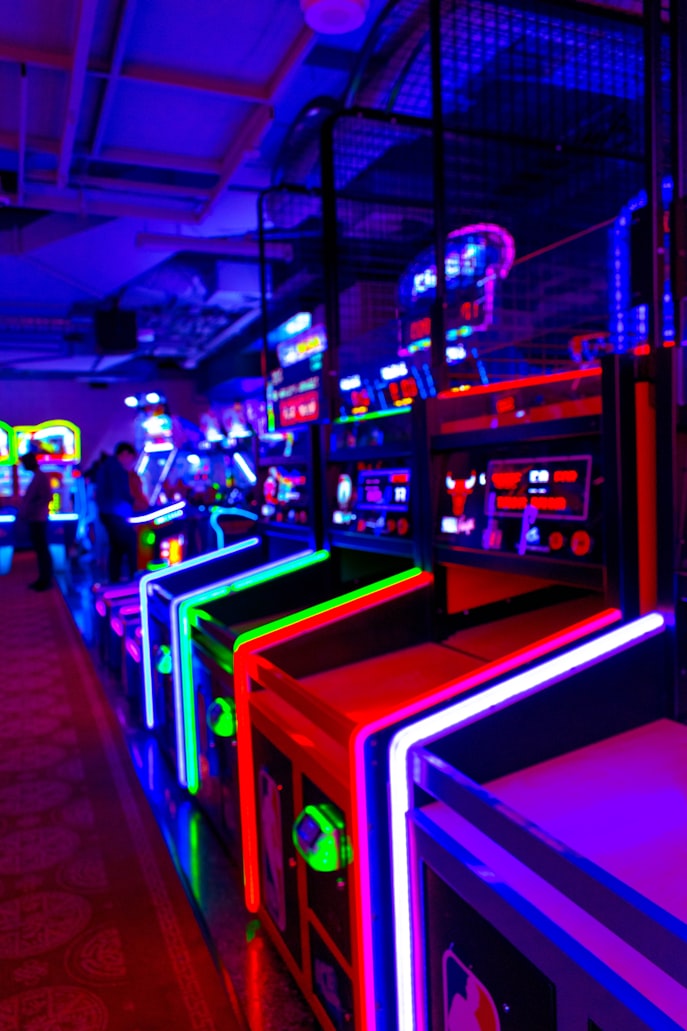
Chasing losses can create a vicious cycle where initial losses lead to increased betting, hoping to regain control of the situation. This tendency is deeply rooted in psychological mechanisms, including the desire to avoid feelings of regret and disappointment. Players may convince themselves that a big win is just around the corner, pushing them to take higher risks. Such behaviors not only exacerbate financial strain but can also lead to emotional and psychological distress. The need to chase losses can quickly escalate, transforming a recreational activity into a compulsive habit.
Moreover, the ramifications of loss can extend beyond financial implications, affecting players’ self-esteem and mental health. Many individuals struggle with feelings of guilt or shame after gambling losses, which can further perpetuate gambling behaviors as they attempt to escape those emotions. Addressing these psychological impacts is essential for promoting responsible gambling practices and helping individuals recognize when their behaviors may have crossed thresholds into harmful territory. Understanding the emotional toll of gambling losses is vital for those engaged in this activity and their support networks.
Understanding Responsible Gambling
Responsible gambling encompasses a range of strategies designed to help players maintain control over their gambling activities. A crucial aspect of fostering responsible gambling is education, equipping players with knowledge about the odds and potential risks associated with betting. Awareness of cognitive biases and the psychological underpinnings of gambling can empower individuals to make more informed decisions and set personal limits on their gaming activities. Education can help demystify the gambling process and encourage players to engage in more thoughtful betting behaviors.
Additionally, many casinos and gambling organizations advocate for the integration of support systems within their environments. By promoting responsible gambling initiatives, they encourage players to recognize signs of problematic behavior and seek assistance if needed. These initiatives can include self-exclusion programs, where individuals can voluntarily ban themselves from gambling activities for specific periods, ensuring a healthier approach to recreational gaming. Such measures are crucial in creating a safer gambling environment and reducing the prevalence of gambling-related issues.
Furthermore, online resources and hotlines are available to provide support and assistance to those struggling with gambling addiction. By raising awareness and encouraging players to develop healthier gambling habits, the industry aims to create a culture of responsibility and care. Ultimately, understanding responsible gambling is essential for ensuring that the excitement of casino games remains a fun and enjoyable experience, rather than leading to psychological or financial harm. Promoting responsible practices benefits not only the players but also the broader community surrounding gambling activities.